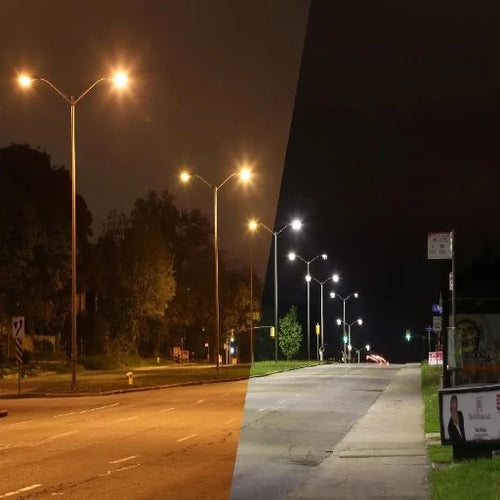
Dark Skies Lighting Products

Many communities throughout the world have begun to realize the importance of minimizing light pollution.  In many communities across the planet, it is becoming exceedingly difficult to view the nighttime sky.  Prior to widespread use of electric lighting, the night sky was a stunning view with several thousand stars visible on a clear, moonless night. With the growth of electric lighting and urban sprawl, the view of the night sky gradually retreated to rural areas. Now, even the once dark skies of rural areas are threatened by urban sprawl. Within a few decades, a star-filled night sky may be a distant memory.  (Source: Pennsylvania Department of Environmental Protection)  This light pollution not only affects stargazers, but creates a host of problems including the following:


  • Energy Waste and Pollution - Today, we recognize that our energy resources are limited and pollution is an increasing problem. Inefficient outdoor lighting contributes to excessive consumption of fossil and nuclear fuels. This increased consumption causes a corresponding increase in air, water and soil pollution due to processes such as mining, drilling, refining, accidents during transport, combustion (fossil fuels) and waste disposal.
     
  • Reduced Visibility - Facilities that are too brightly lit (over lighting) may prevent passing motorists from seeing vehicles or pedestrians exiting the facility. Glare from poorly shielded or misaimed fixtures also contributes to this problem. In addition, motorists exiting the facility suffer a temporary reduction in visual acuity.
     
  • Light Trespass - Light spills into areas where it is not needed or wanted, creating neighbor relation problems.
     
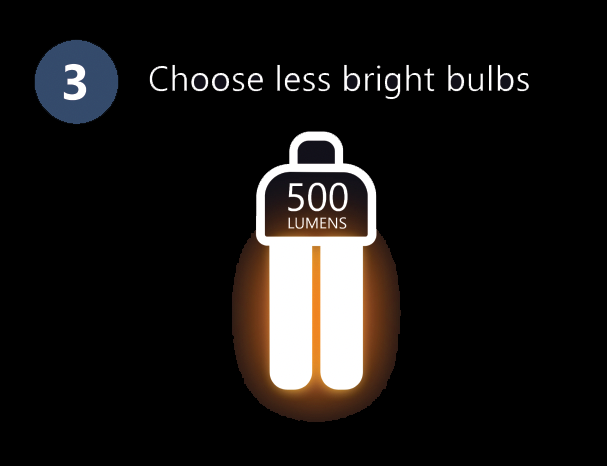
  • Higher Utility Bills - Inefficient outdoor lighting uses excessive energy to achieve the desired level of illumination; and often, illumination levels are higher than needed.
The Pennsylvania Department of Environmental Protection states that the efficiency of outdoor lighting is determined by the control of light dispersement, lamp efficiency and the appropriateness of the level of illumination. The following is their list that describes the characteristics of efficient light disbursement and control:
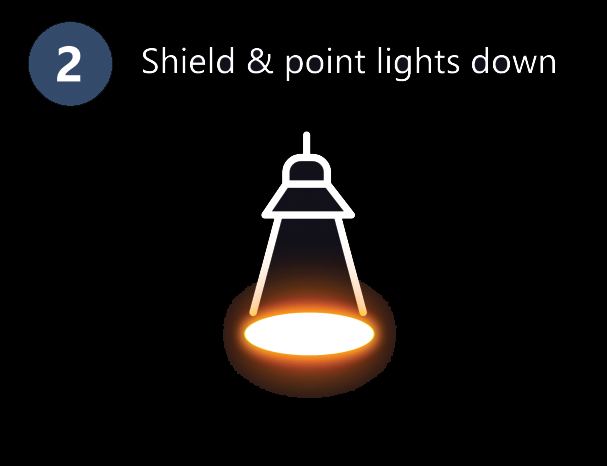
  • Fixtures for parking area, walkway and street lighting should direct all of their light to the ground;
  • Fixtures should illuminate signs and billboards from above rather than from below;
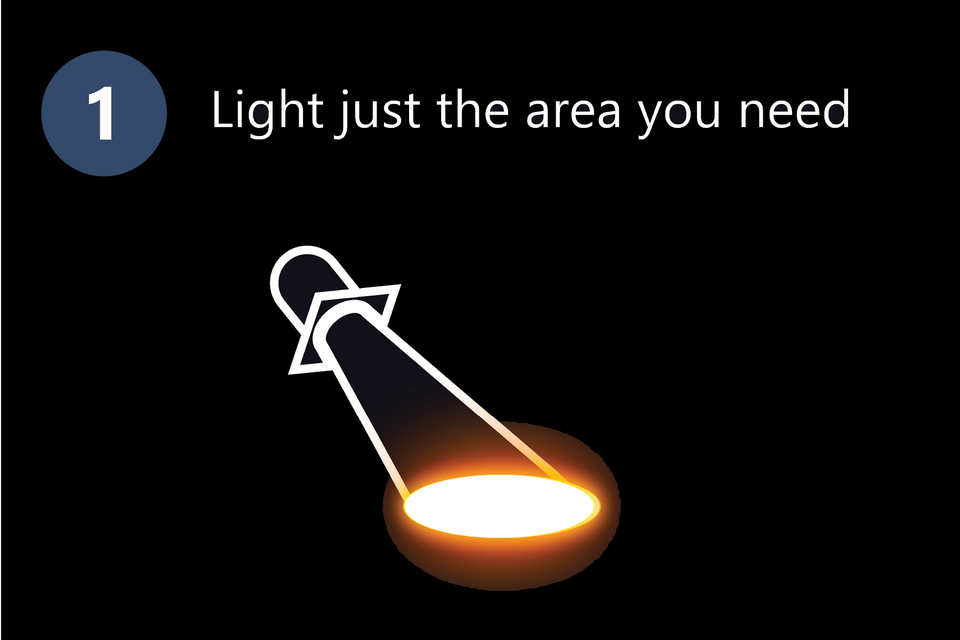
  • Architectural lighting should illuminate only the intended target. Spill lighting is avoided;
  • In all cases, lighting is shielded to prevent both uplighting and directing light over great horizontal distances. Full cutoff fixtures that emit no light above the horizontal plane should be used whenever practical; and
  • Lights should automatically be turned off or dimmed during off hours.

Lightingforum.Com Site Map